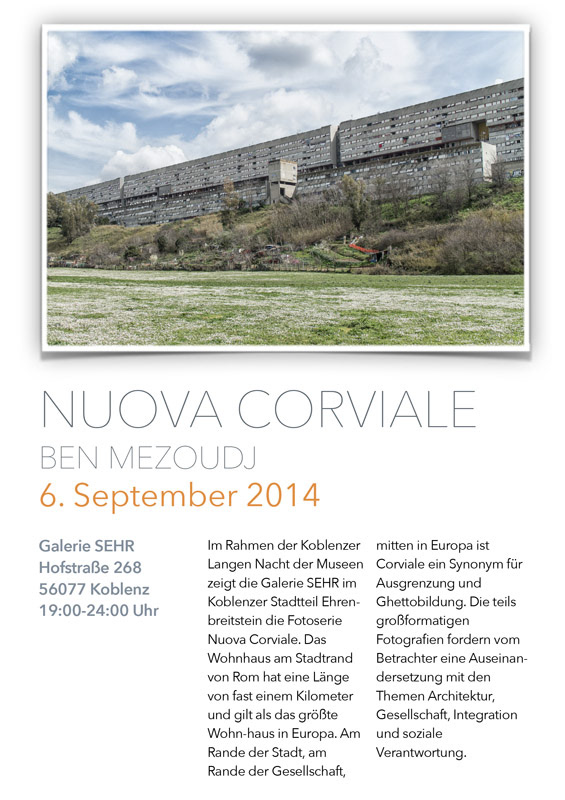
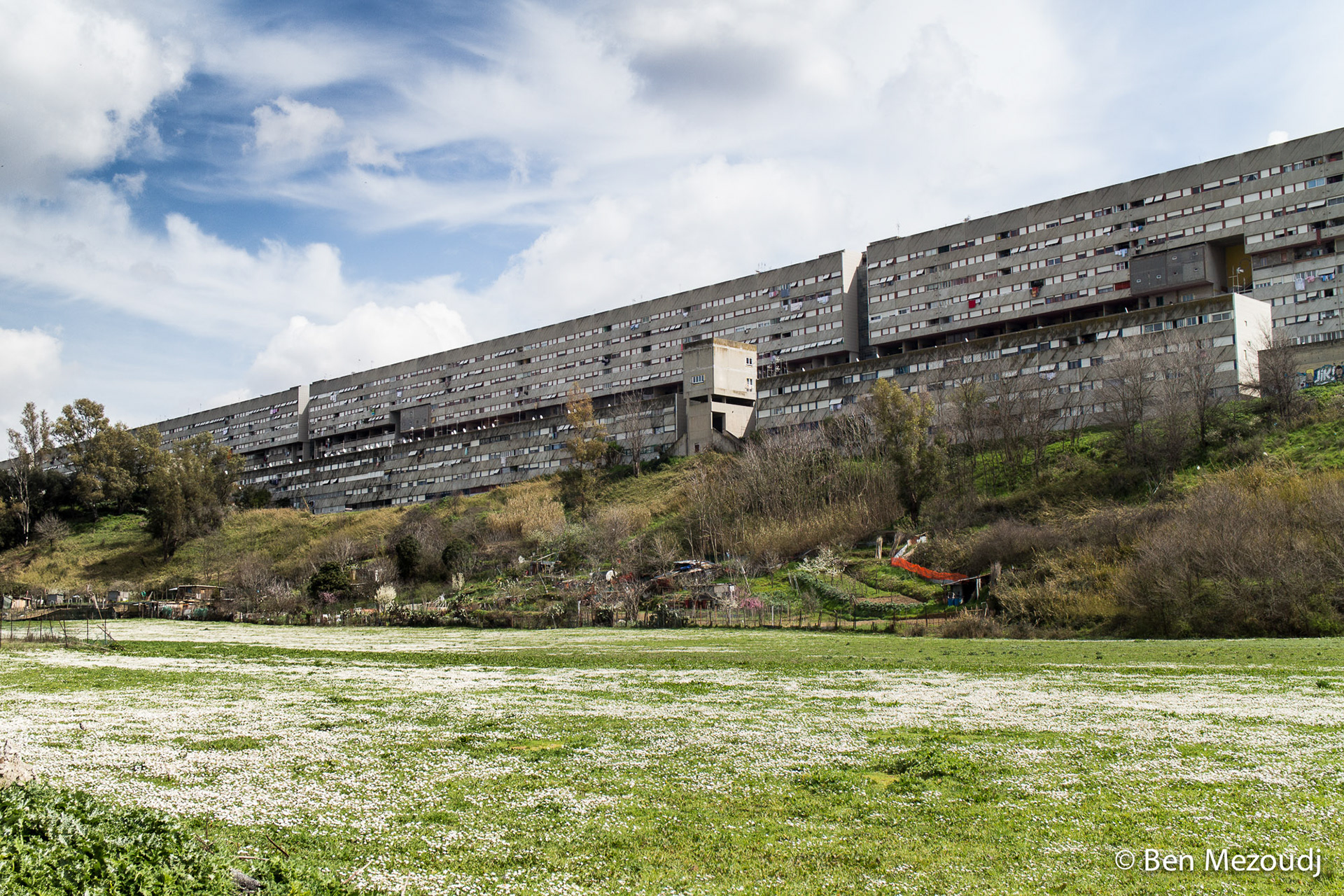
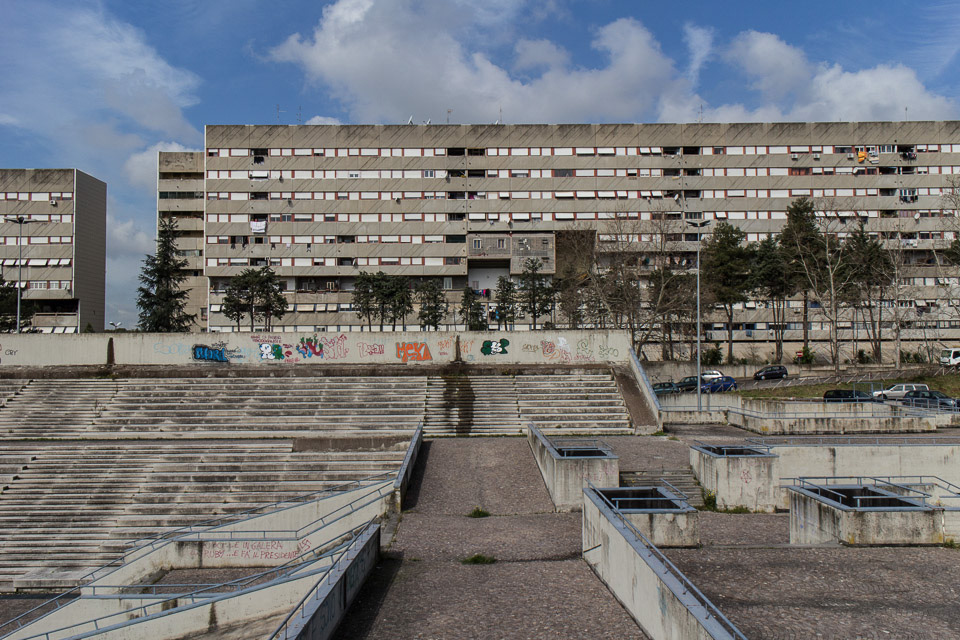
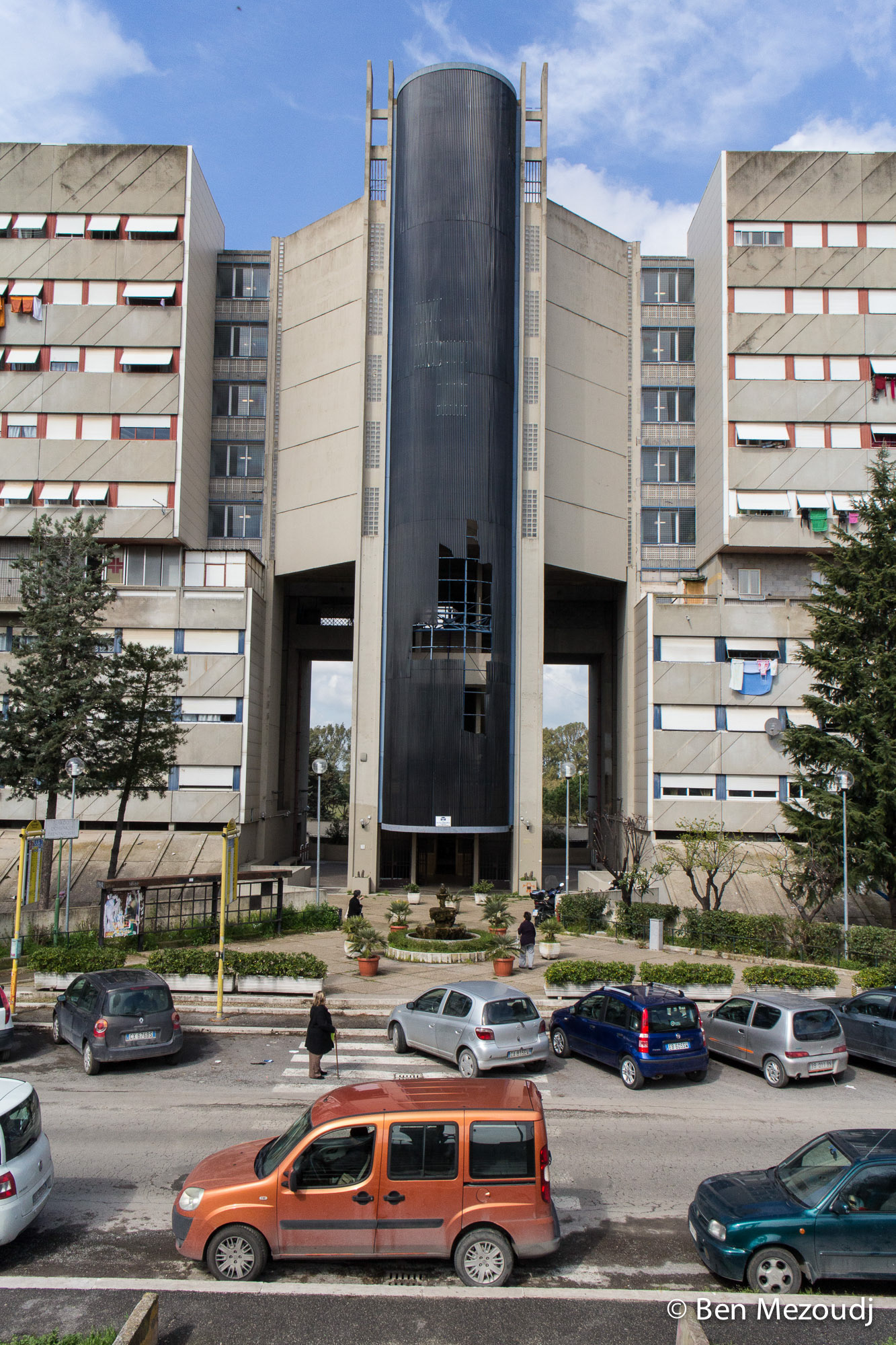
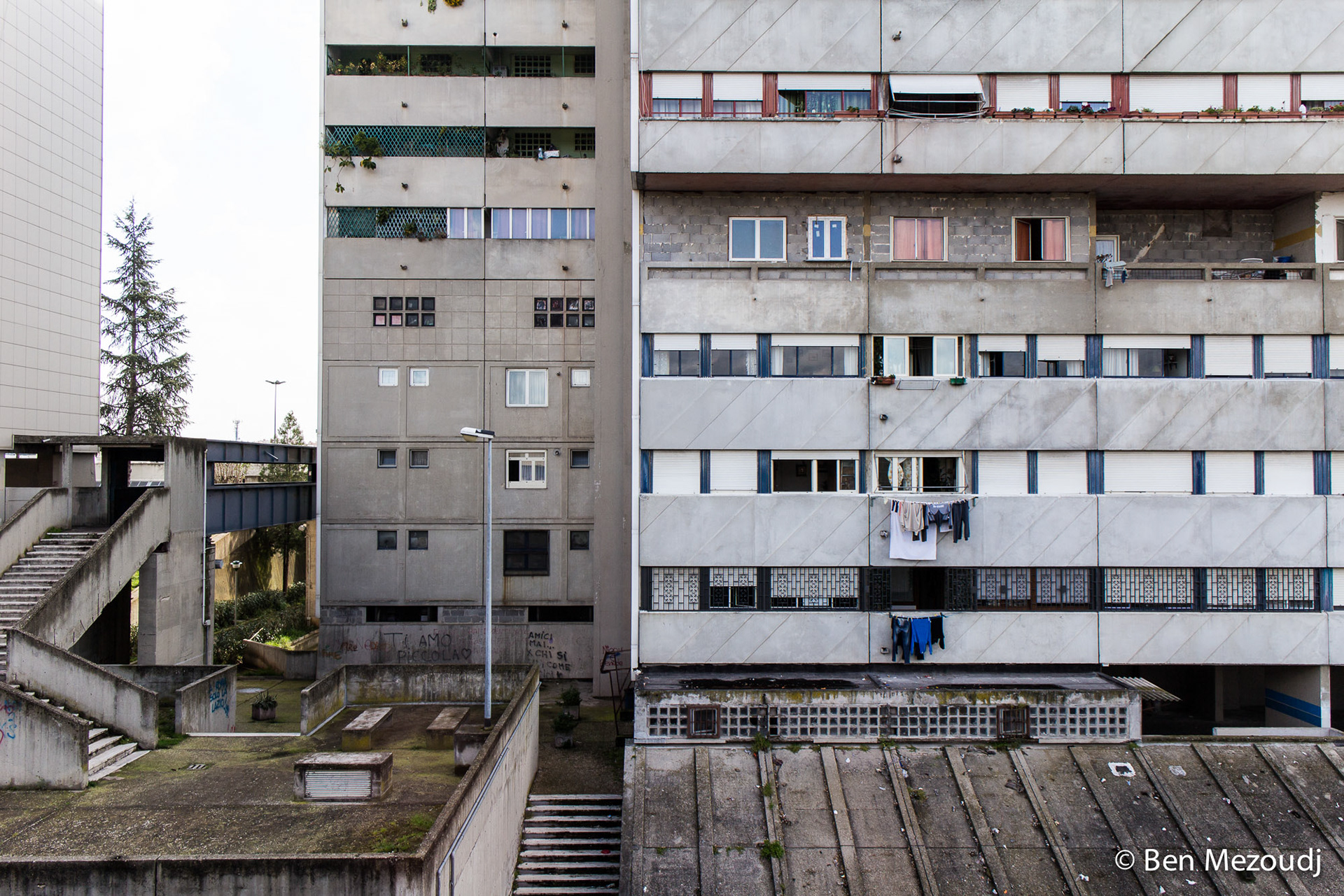
Nuova Corviale ist das größte bewohnte Hochhaus Europas. Es ist 958 Meter lang und 11 Stockwerke hoch – davon 9 über der Erde -. Es gibt hier 1202 offizielle und wohl an die 300 illegale Wohnungen, niemand weiß das so genau. Geplant und entworfen wird Corviale zwischen 1969-73, die Architekten unter der Leitung von Mario Fiorentino sind ambitioniert und inspiriert durch die „unité d´habitation“ von Le Corbusier und dessen Leitbild von der „vertikalen Stadt“.
Im Frühjahr 1975 ist Baubeginn, der Wohnungsmangel in Rom ist dramatisch und 1982 gibt die Stadt dem Druck der Wohnungssuchenden nach und lässt die Mieter, die zum Teil bereits in Zelten und Baracken auf der Baustelle hausen, in das noch unfertige Gebäude ziehen. Die 4.Etage, konzipiert als „innere Stadt“ mit Einkaufspassage, Dienstleistern und sozialen Einrichtungen, wird niemals fertiggestellt und schließlich von verzweifelten Wohnungslosen besetzt. Corviale, vernachlässigt und sich selbst überlassen, wird schnell zum Symbol für den städtebaulichen Verfall der Hauptstadt, ein Synonym für architektonische und soziale Fehlplanung. Eine „Vision“ wird zum „Monster“, in Corviale zu leben bedeutet soziale Ausgrenzung und Ghettoisierung.
Nuova Corviale is the largest inhabited high-rise building in Europe. It is 958 meters long and 11 stories high—9 of which are above ground. There are 1,202 official apartments here and likely around 300 illegal ones; nobody knows for sure. Corviale was planned and designed between 1969 and 1973. The architects, led by Mario Fiorentino, were ambitious and inspired by Le Corbusier's "unité d’habitation" and his vision of the "vertical city."
Construction began in the spring of 1975. The housing shortage in Rome was dramatic, and in 1982, the city gave in to pressure from house hunters, allowing tenants—some of whom were already living in tents and shacks on the construction site—to move into the still unfinished building. The fourth floor, conceived as an "inner city" with a shopping arcade, service providers, and social facilities, was never completed and was eventually squatted by desperate homeless people. Neglected and left to its own devices, Corviale quickly became a symbol of the capital's urban decay, a synonym for architectural and social misplanning. A "vision" became a "monster"; living in Corviale meant social exclusion and ghettoization.
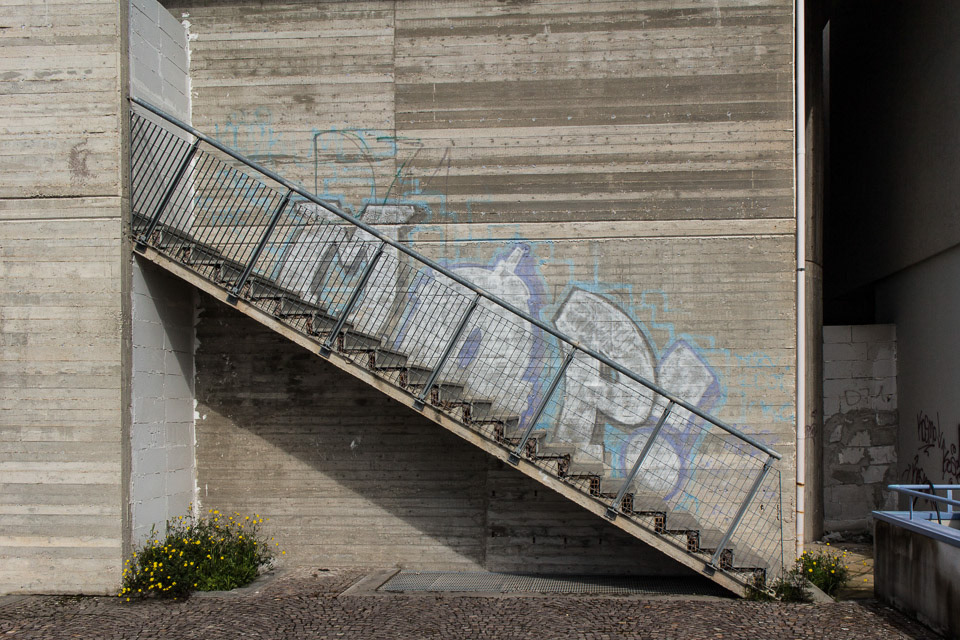
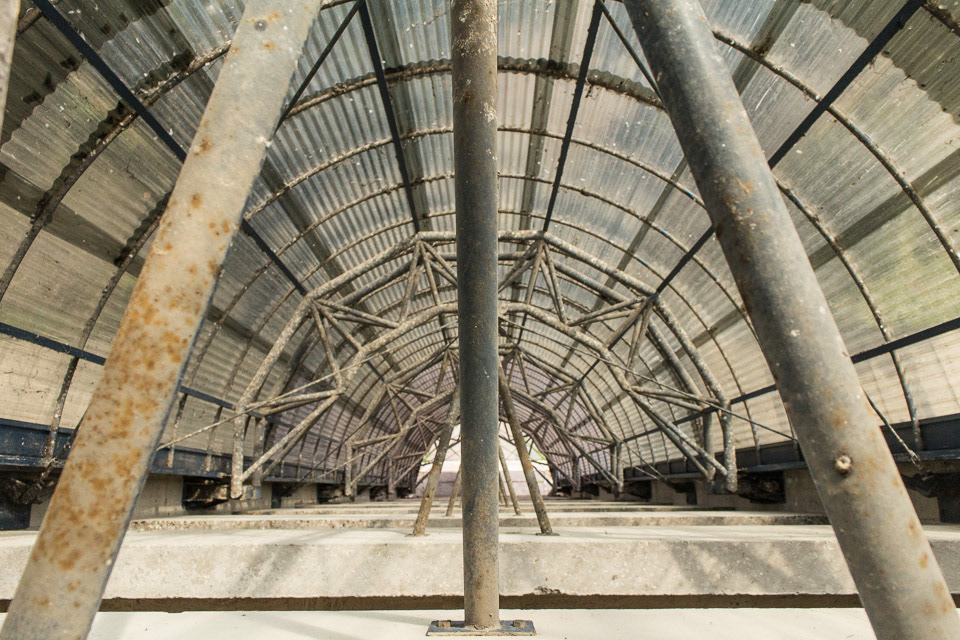
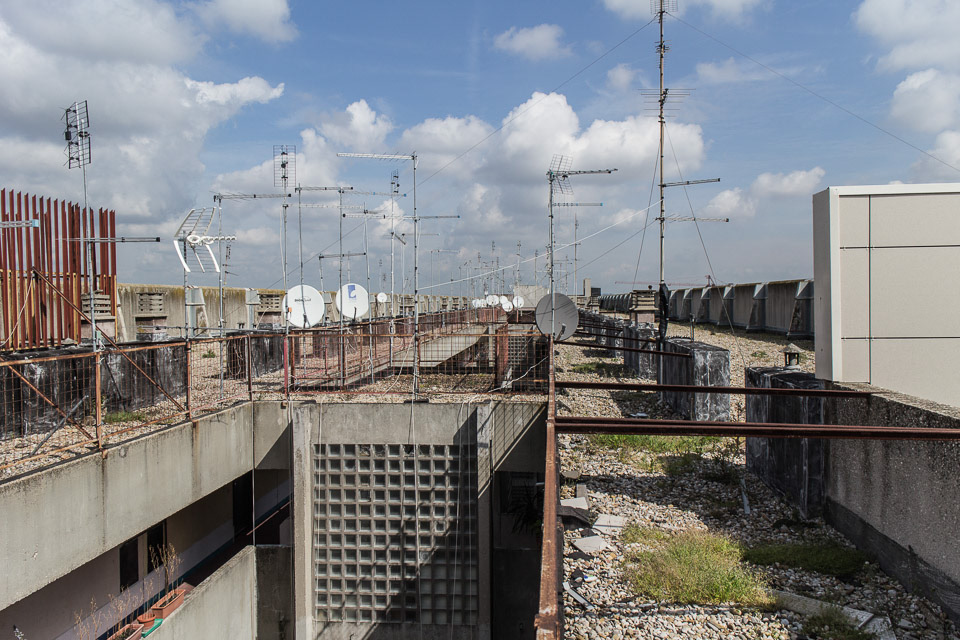
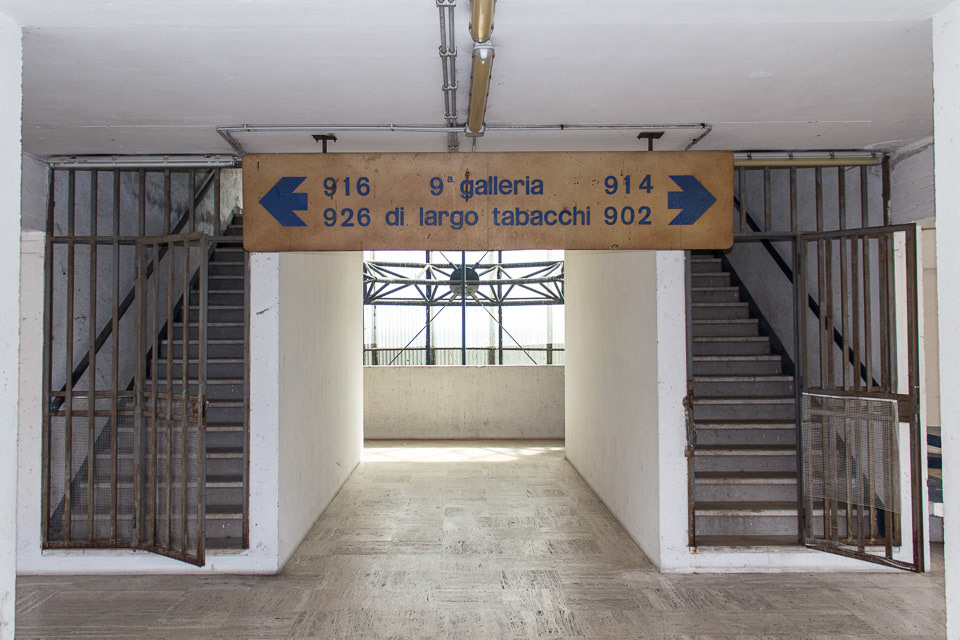
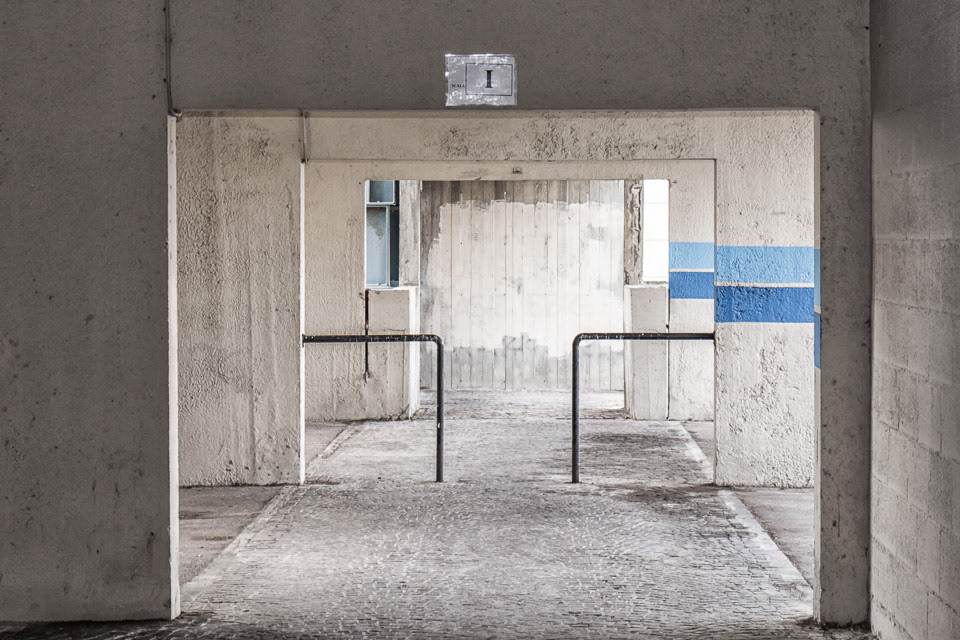
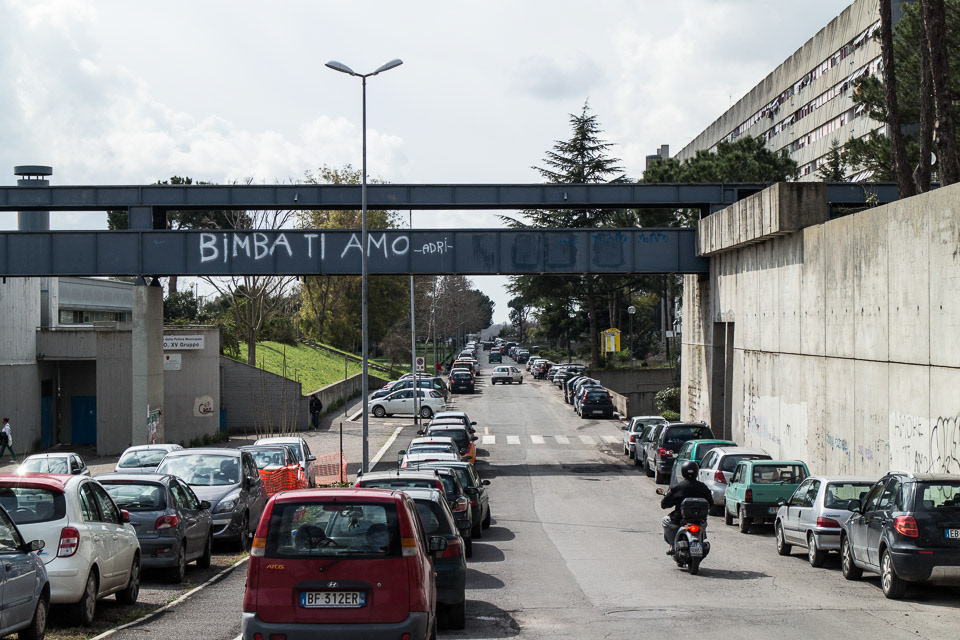
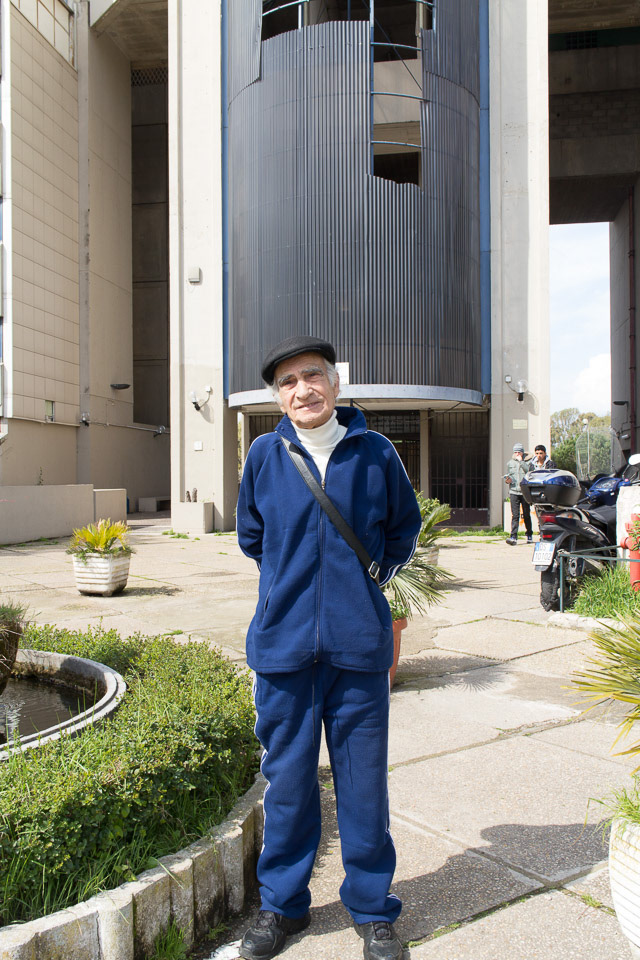
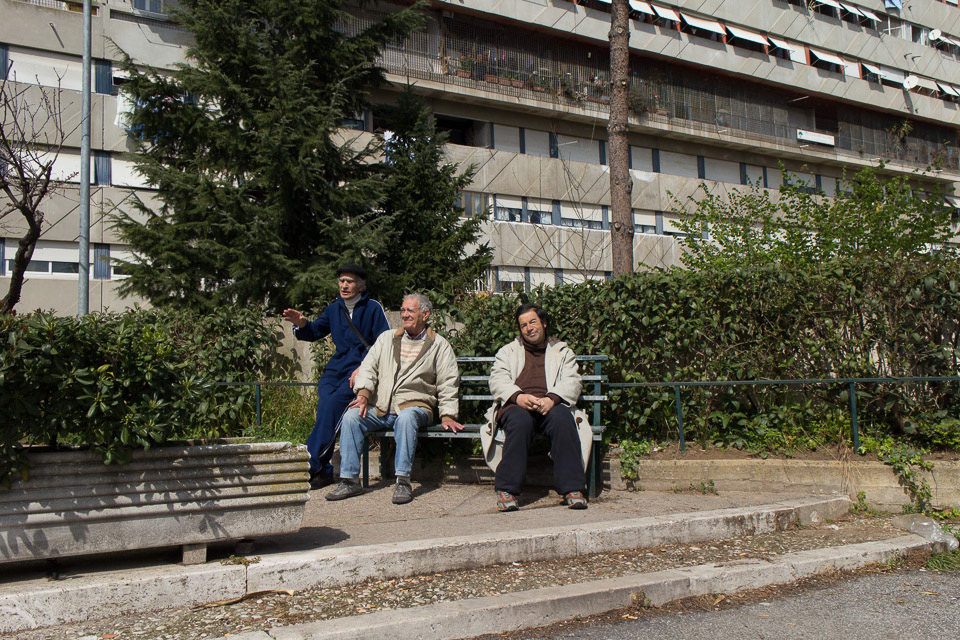
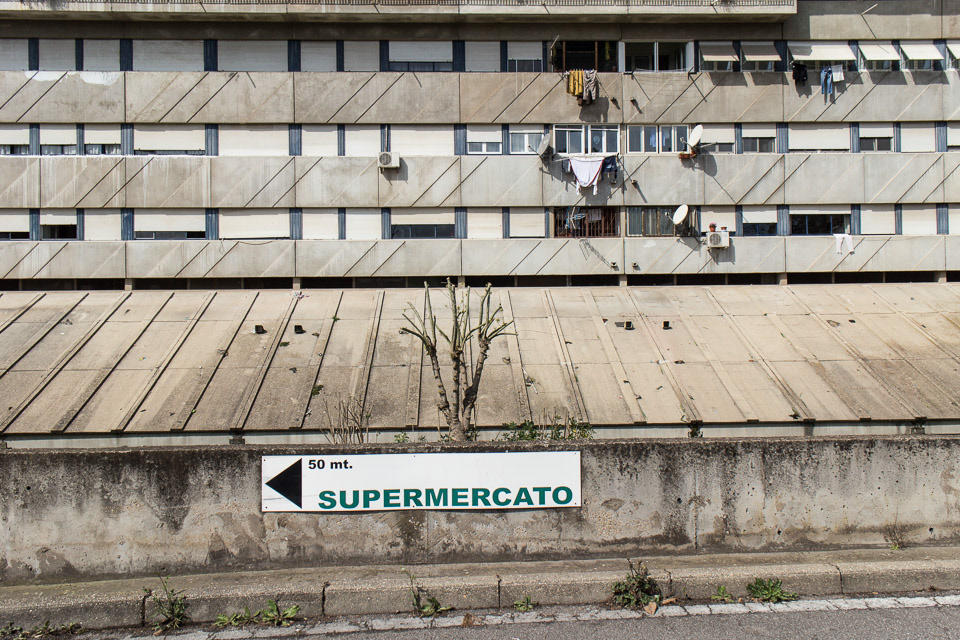
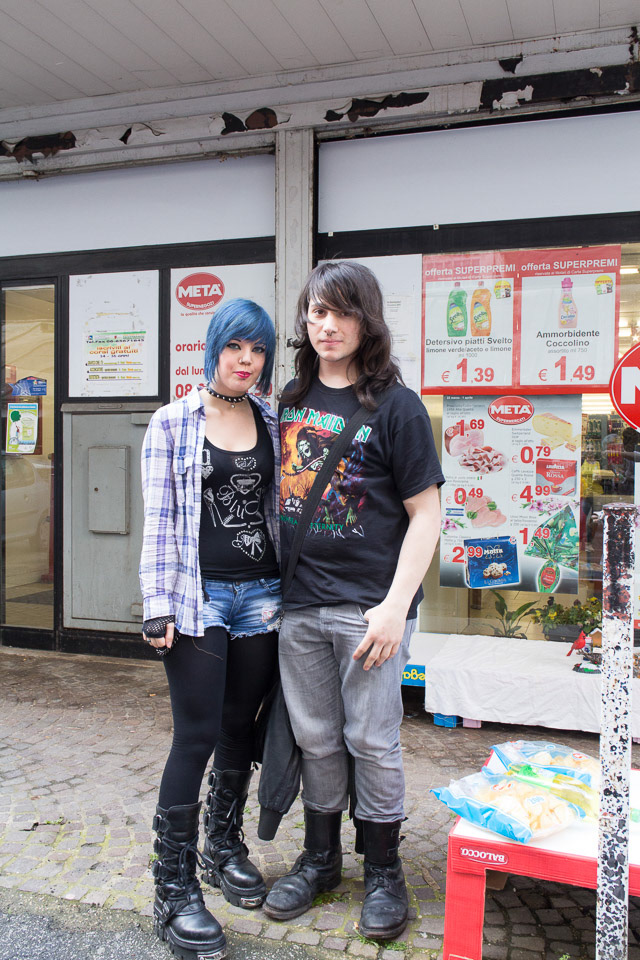
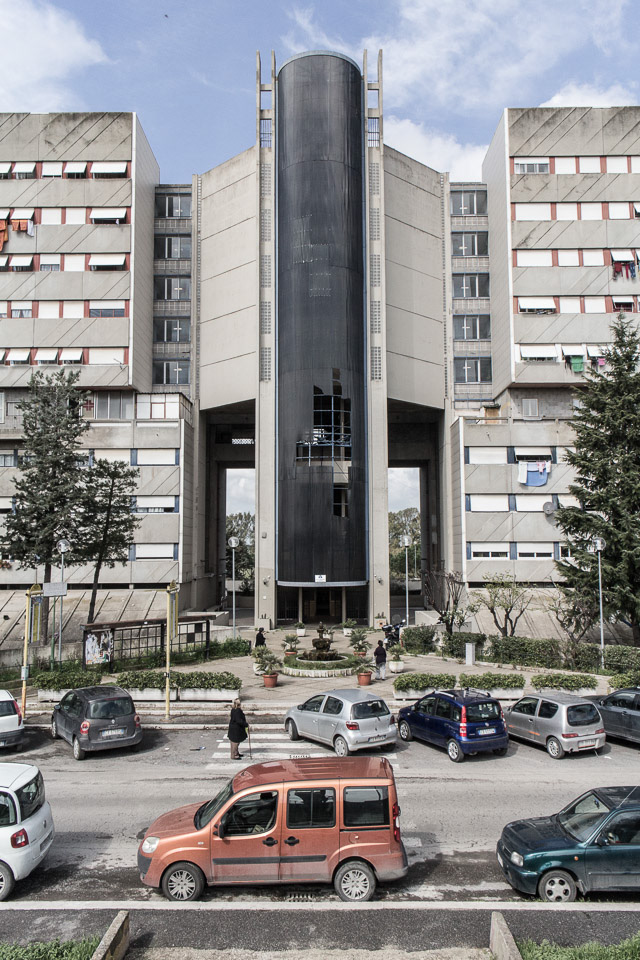
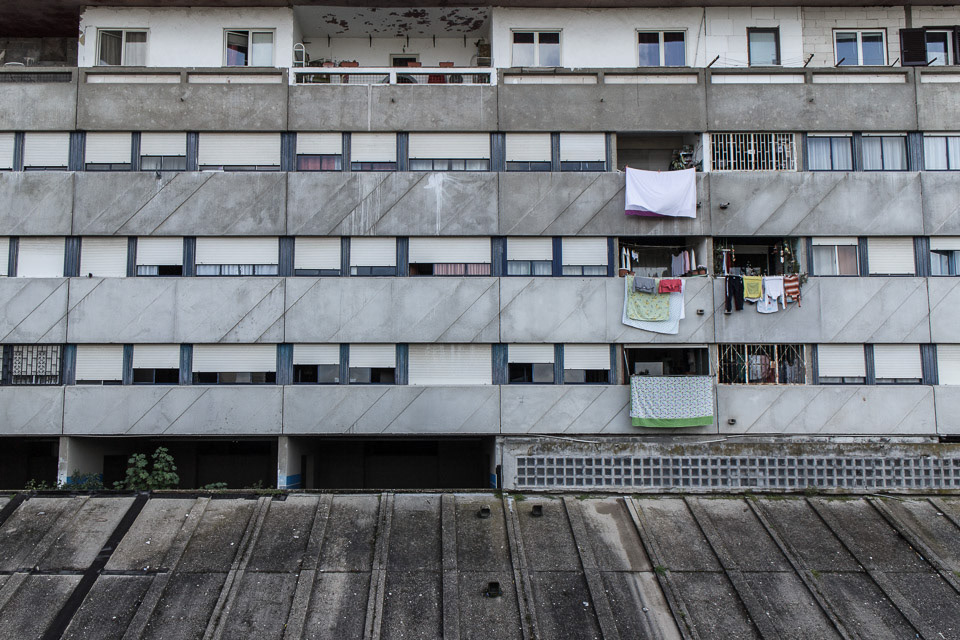
Heute, fast 40 Jahre nach Baubeginn, ist man sich einig, dass dieser riesige Monolith aus Stahlbeton als architektonische Vision gescheitert ist, aber Abrisspläne, die immer mal wieder laut wurden, sind zur Zeit vom Tisch.
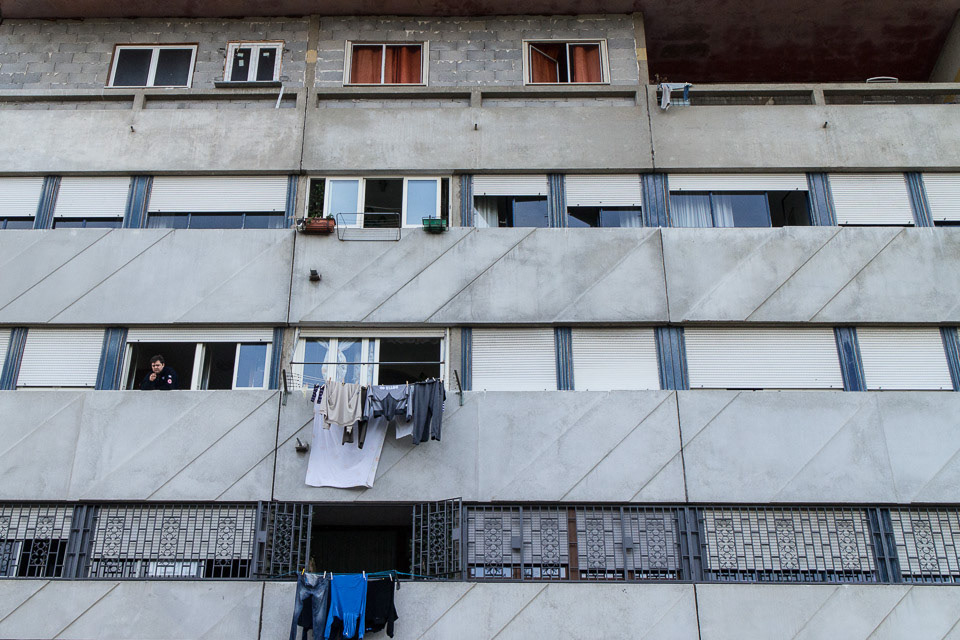
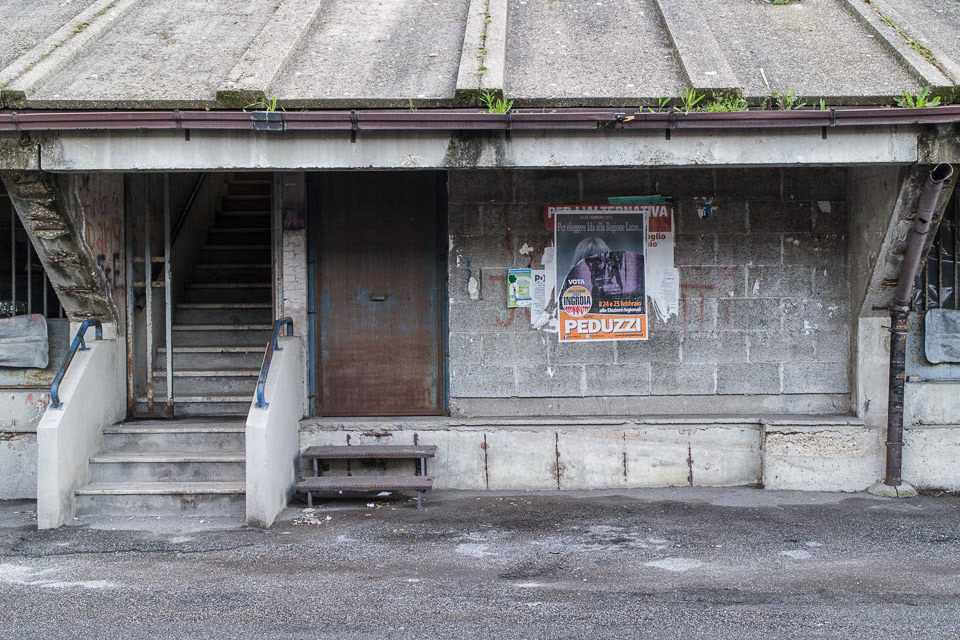
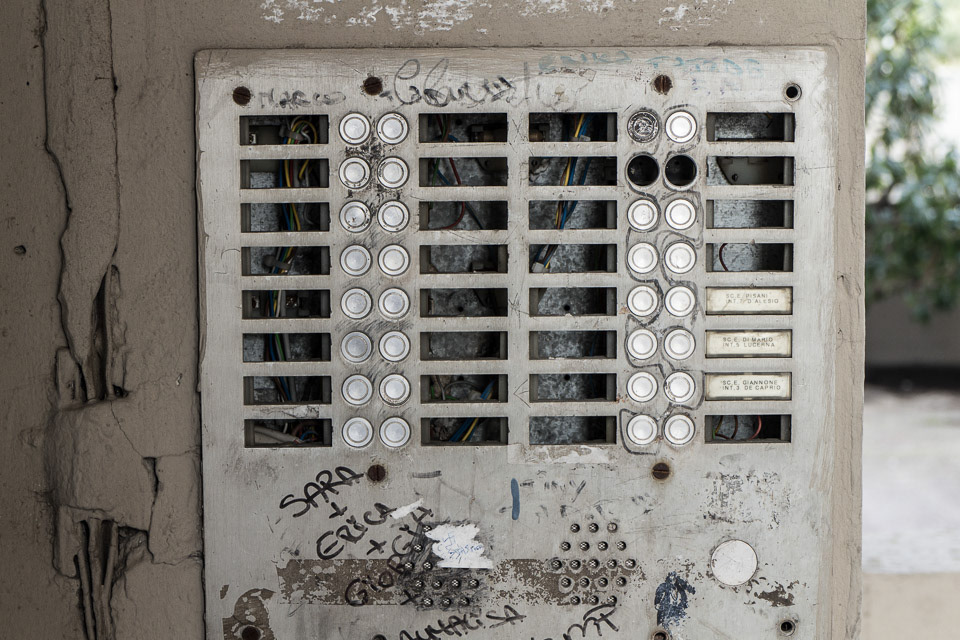
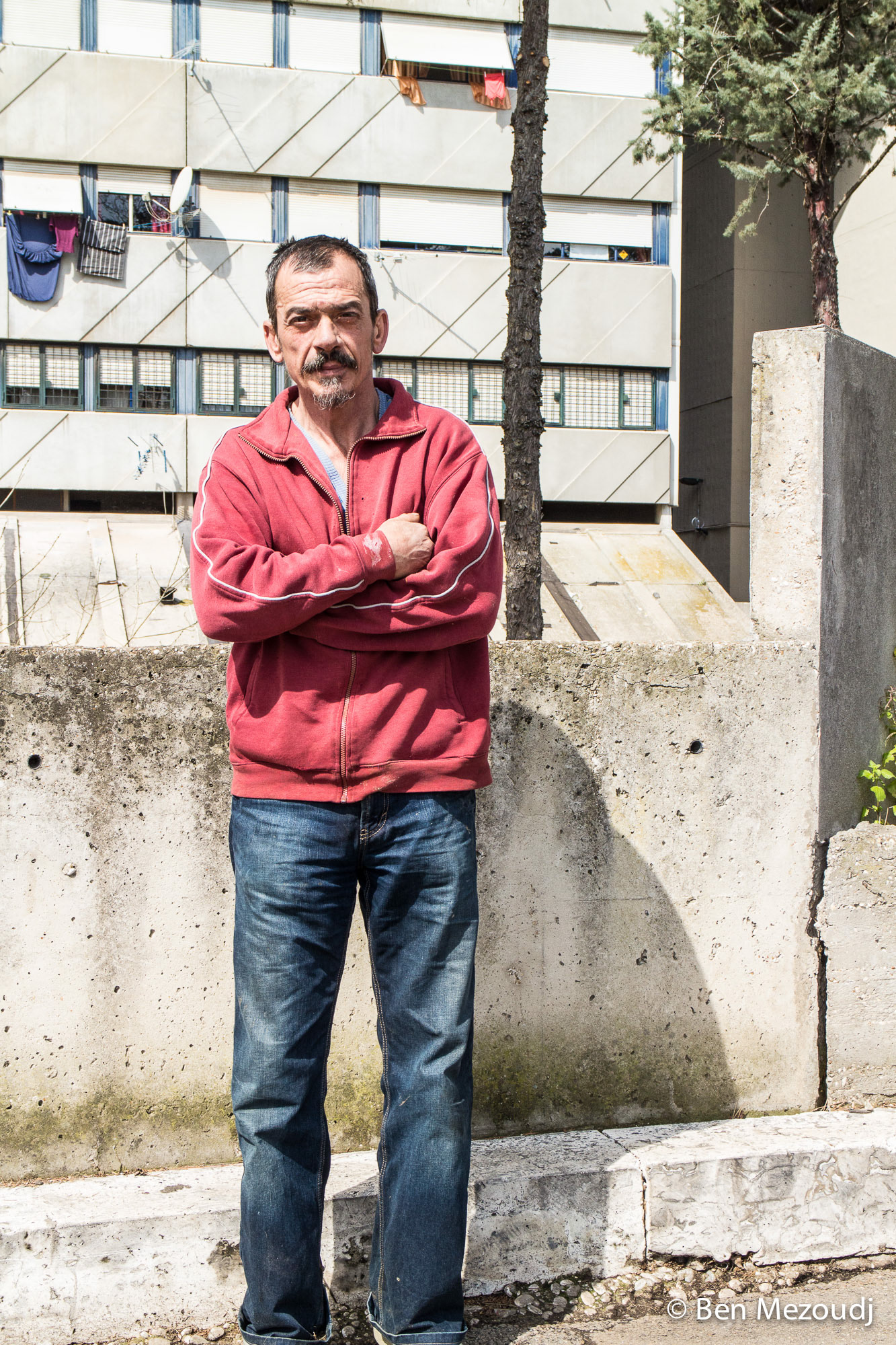
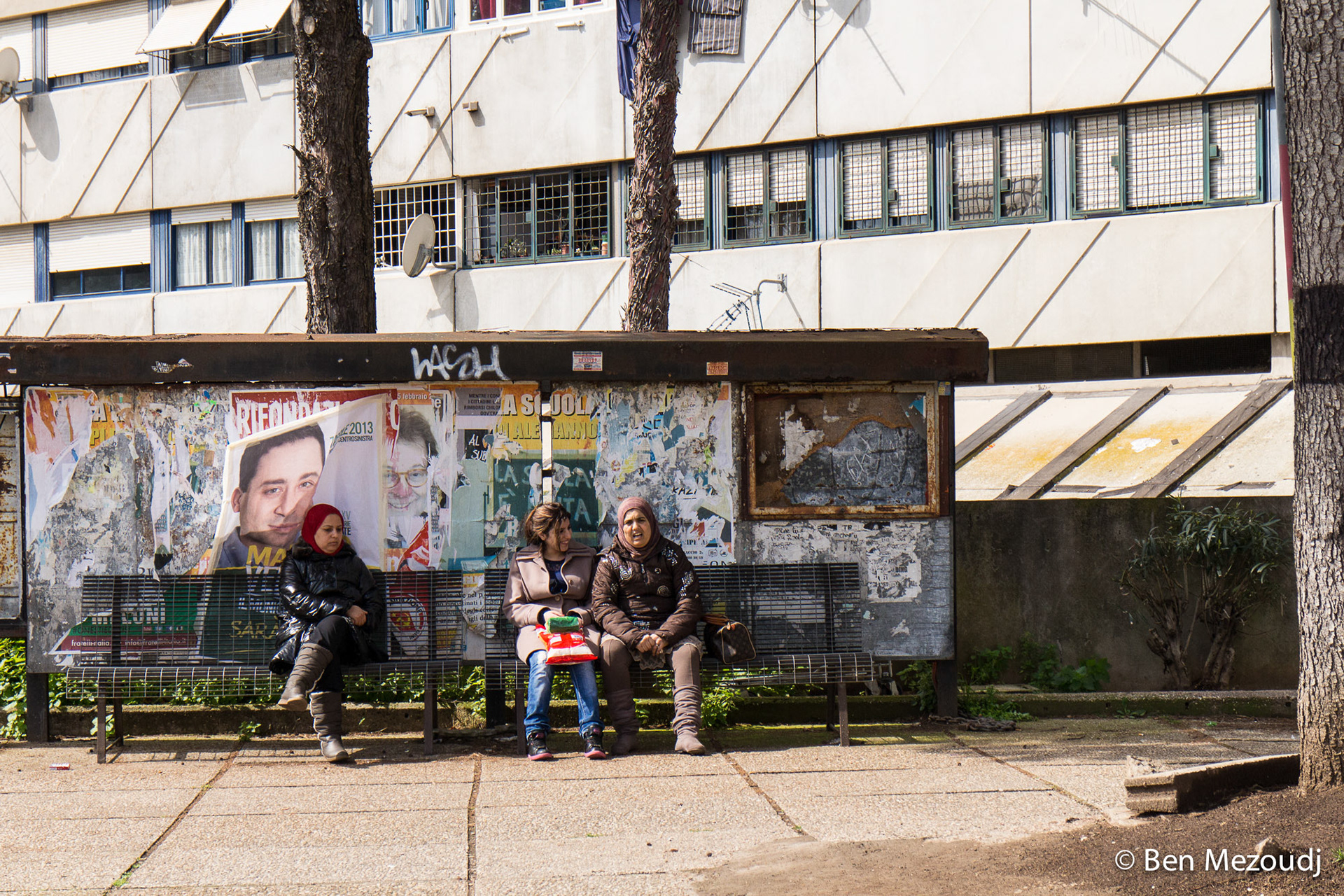
Corviale präsentiert sich heute als heruntergekommenes, von der öffentlichen Hand vernachlässigtes Wohngebäude, aber es ist nicht mehr der soziale Brennpunkt, der wöchentlich Schlagzeilen produziert. Es gibt einige soziale Einrichtungen, die Kriminalitätsrate ist nicht höher als in anderen Vororten, die Aufzüge funktionieren im Großen und Ganzen, seit ein paar Jahren (sic!) gibt es endlich einen Markt und eine Bushaltestelle, aber auch eine Bibliothek, ein Kulturzentrum, Sportanlagen, einen lokalen TV-Sender und eine Post.
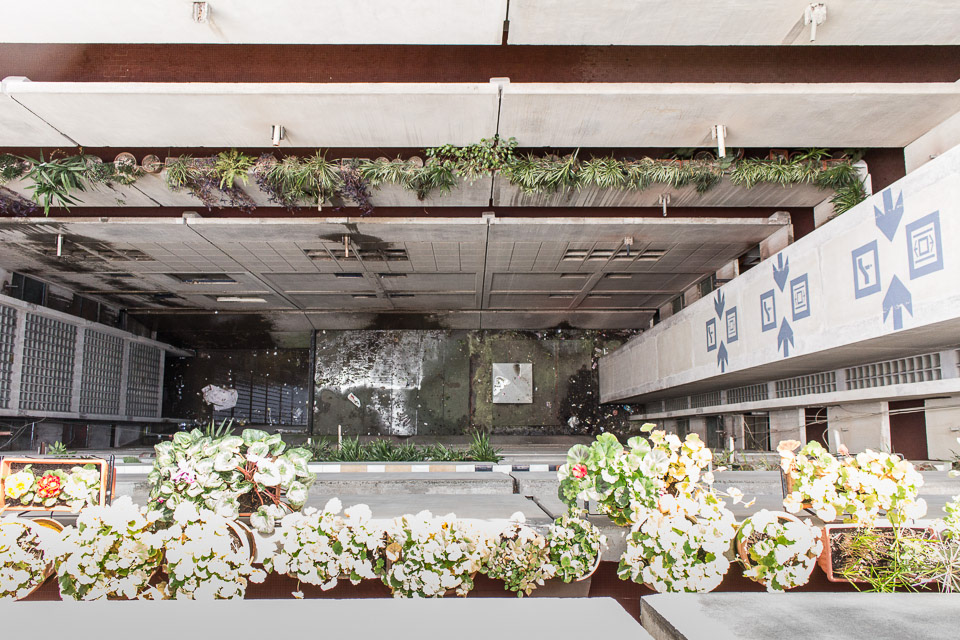
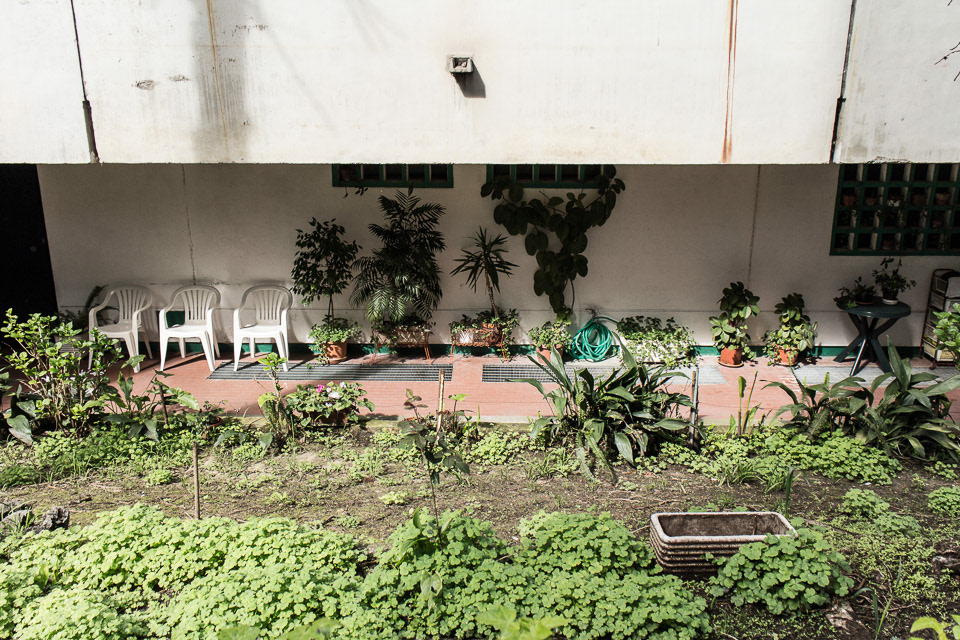
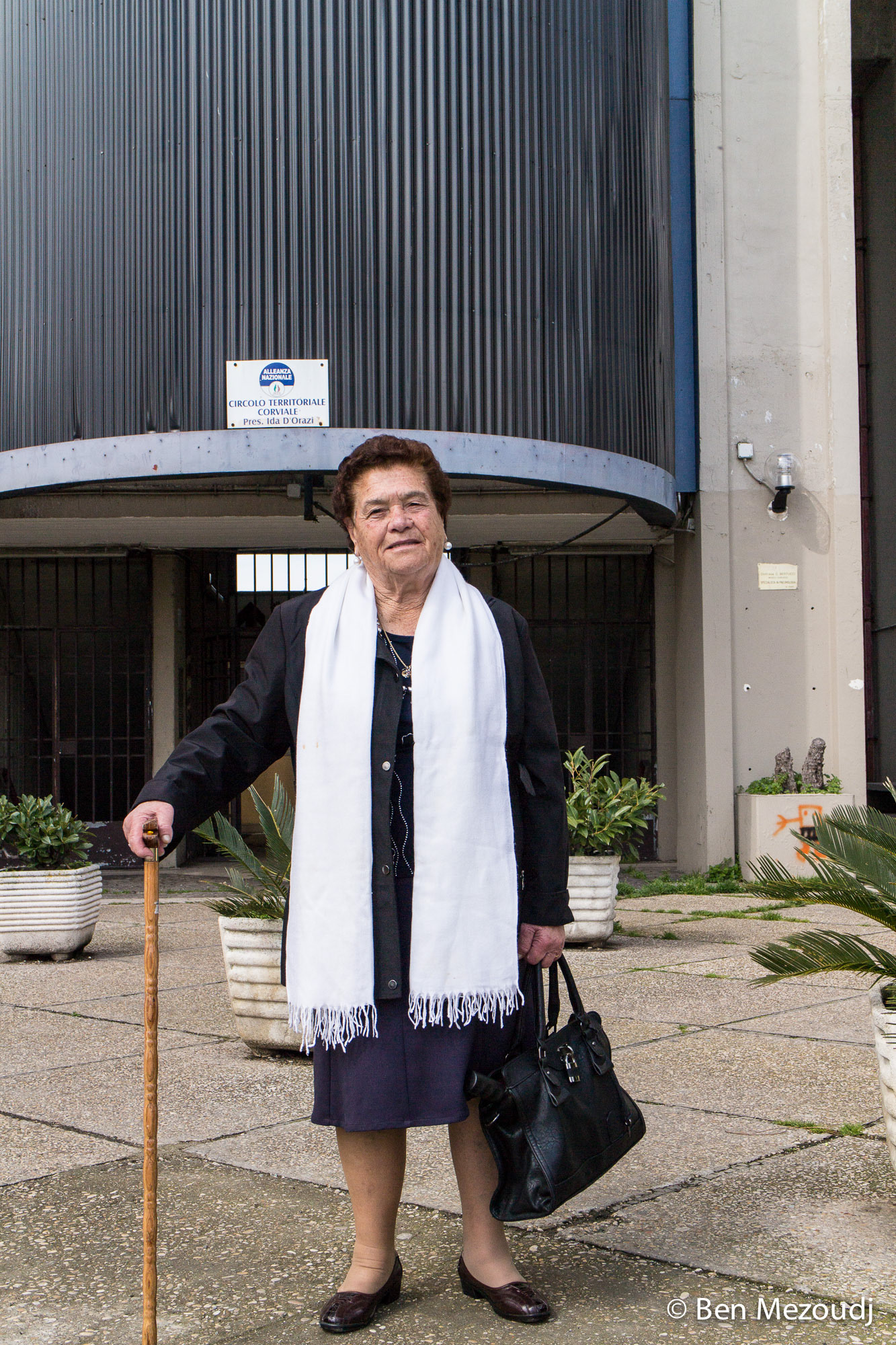
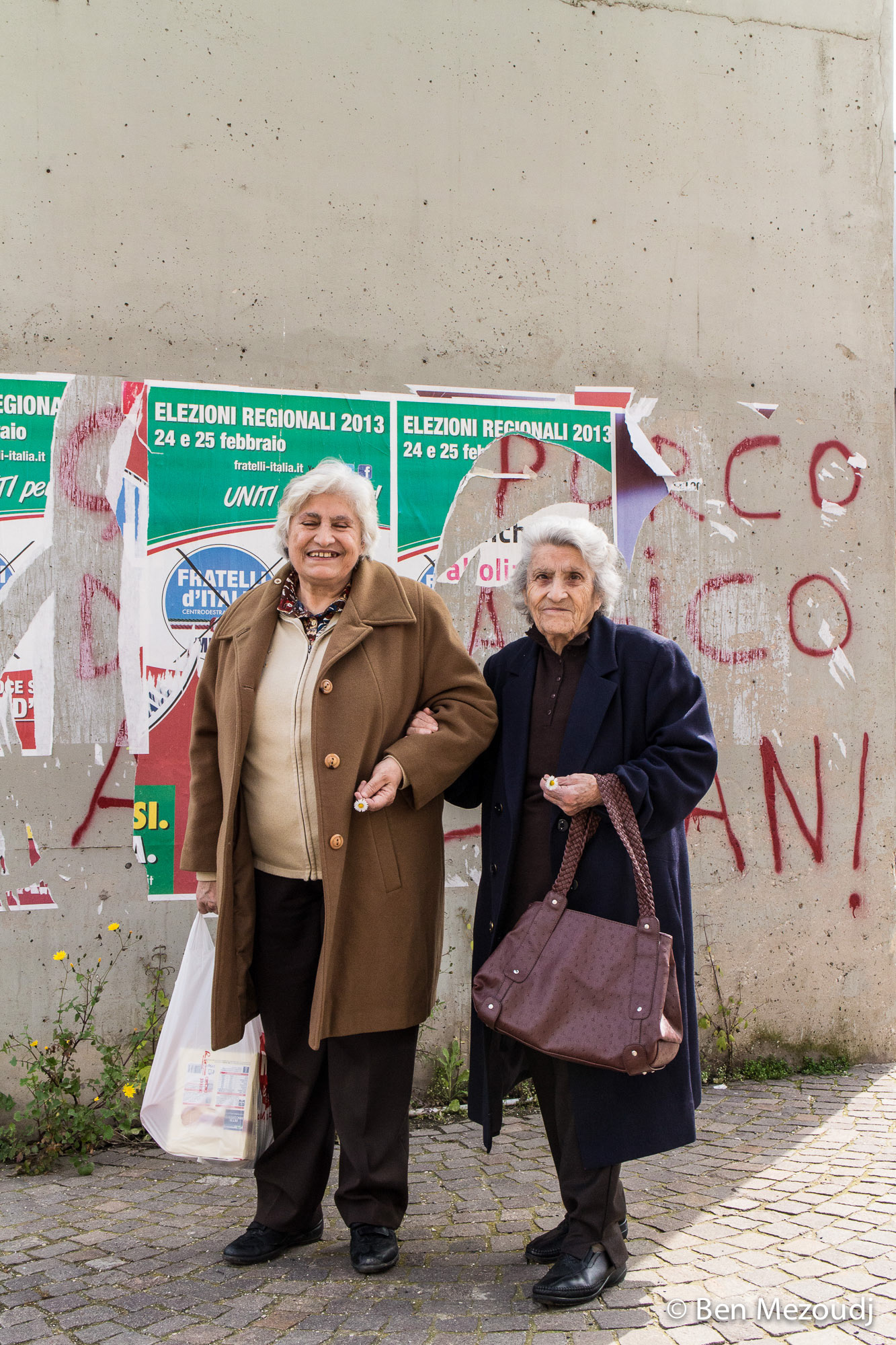
Die Bewohner, die zum Teil bereits in der 3.Generation hier leben, haben sich diesen monumentalen Ort mit viel Fantasie und Energie angeeignet und trotzen mit einer bewunderungswürdigen Hartnäckigkeit dem allgegenwärtigen Verfall. Die endlosen Korridore, die zu den Wohnungen führen, sind sauber, überall stehen Topfpflanzen und Palmen in großen Kübeln, die liebevoll gepflegt werden.
Today, nearly 40 years after construction began, there is a consensus that this giant reinforced concrete monolith has failed as an architectural vision. However, demolition plans, which have repeatedly surfaced over the years, are currently off the table.
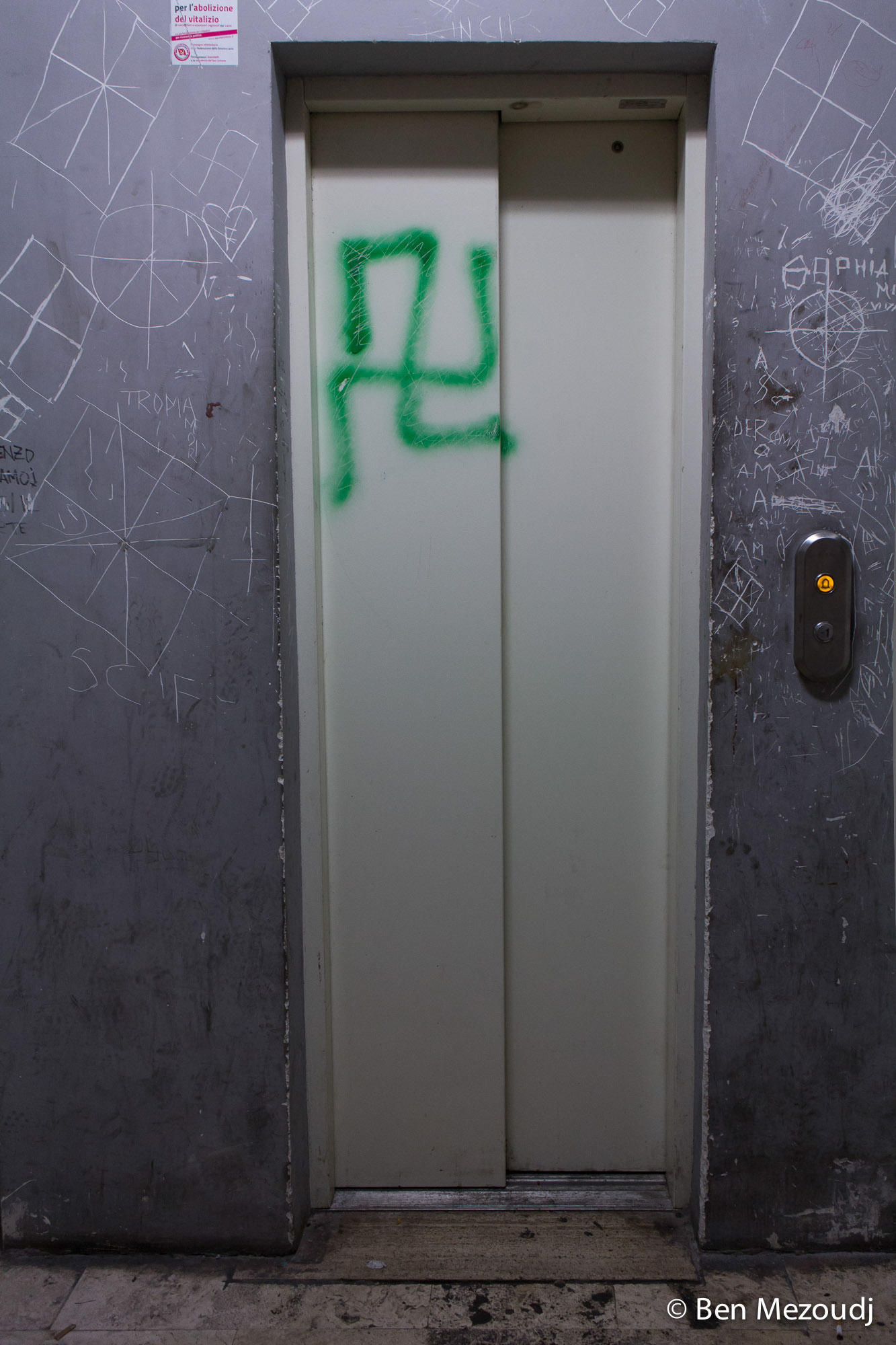
Today, Corviale presents itself as a run-down residential building neglected by the public sector, but it is no longer the social hotspot that generates weekly headlines. There are several social facilities, the crime rate is no higher than in other suburbs, and the elevators generally work. For a few years now (sic!), there has finally been a market and a bus stop, as well as a library, a cultural center, sports facilities, a local TV station, and a post office.
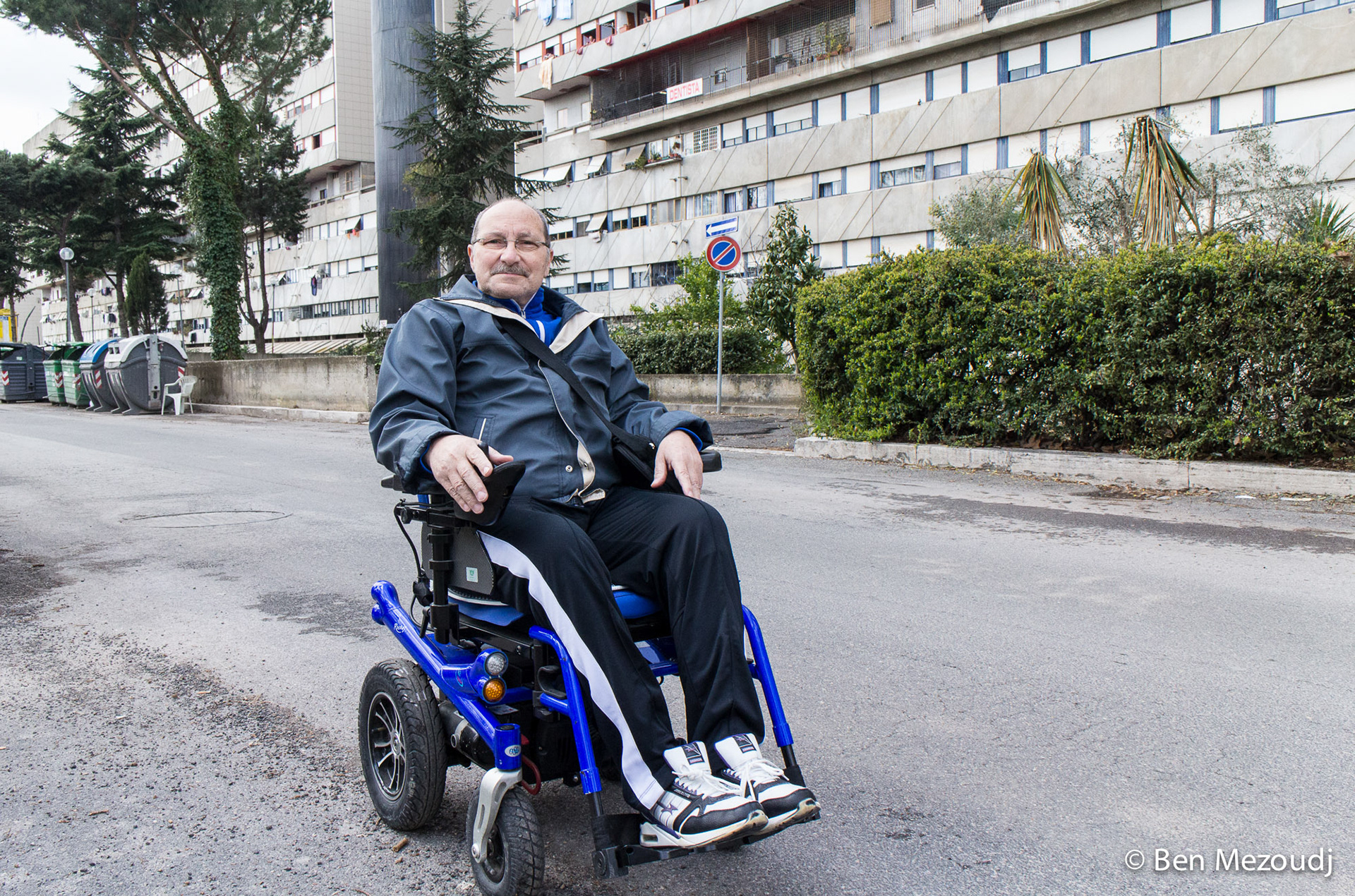
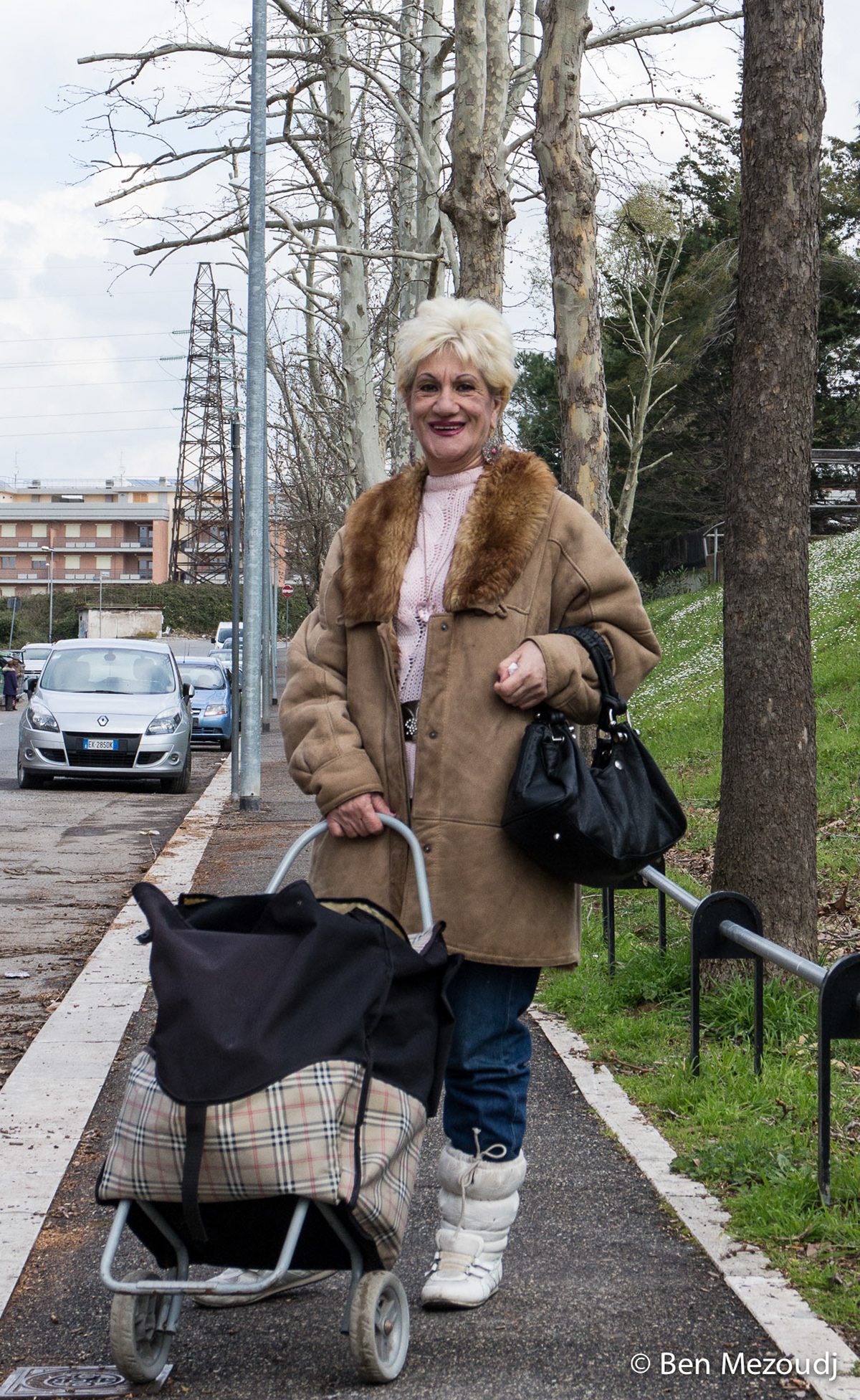
The residents, some of whom are already living here in the third generation, have reclaimed this monumental place with a great deal of imagination and energy, defying the omnipresent decay with admirable persistence. The endless corridors leading to the apartments are clean, and potted plants and palms in large tubs stand everywhere, lovingly cared for.
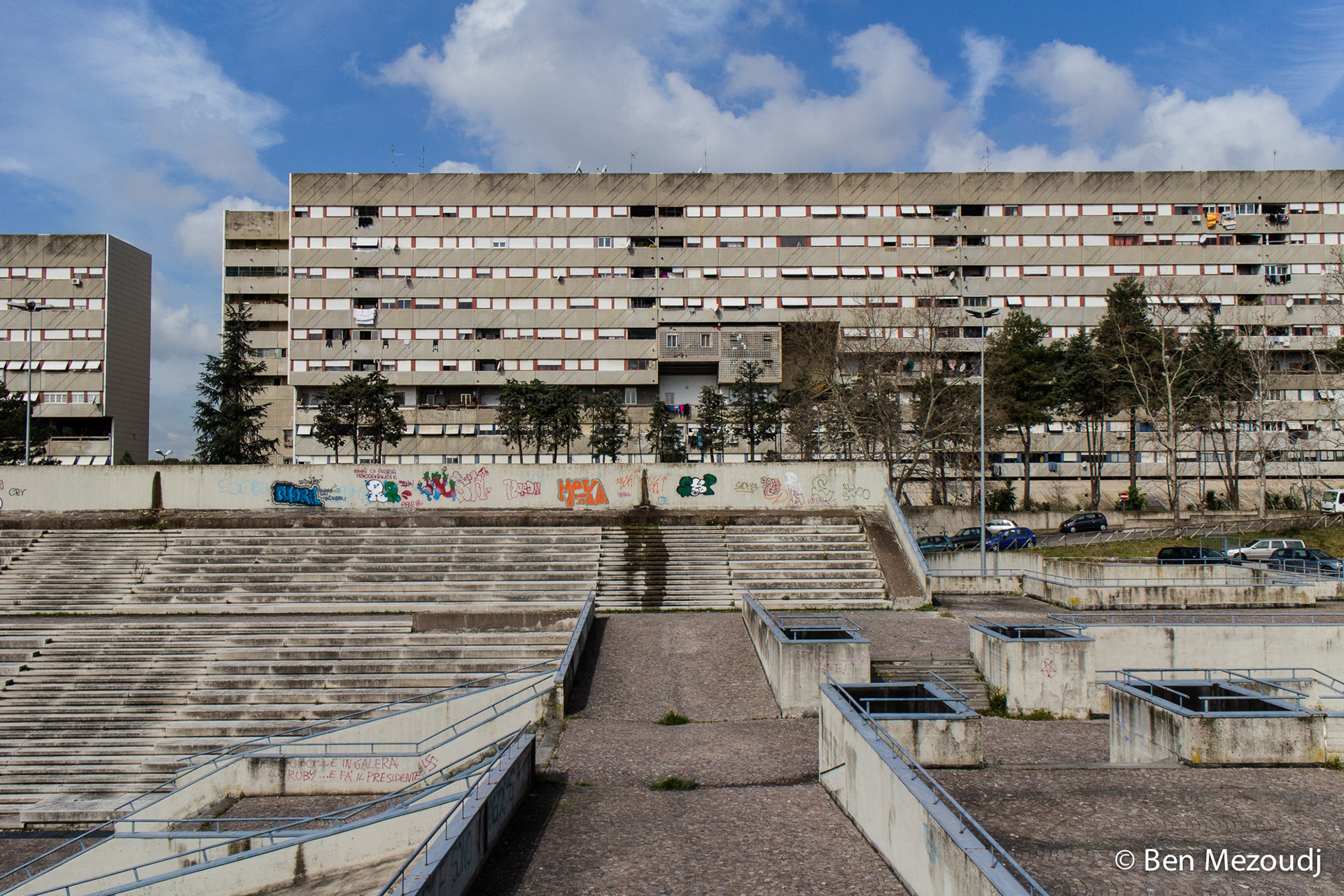
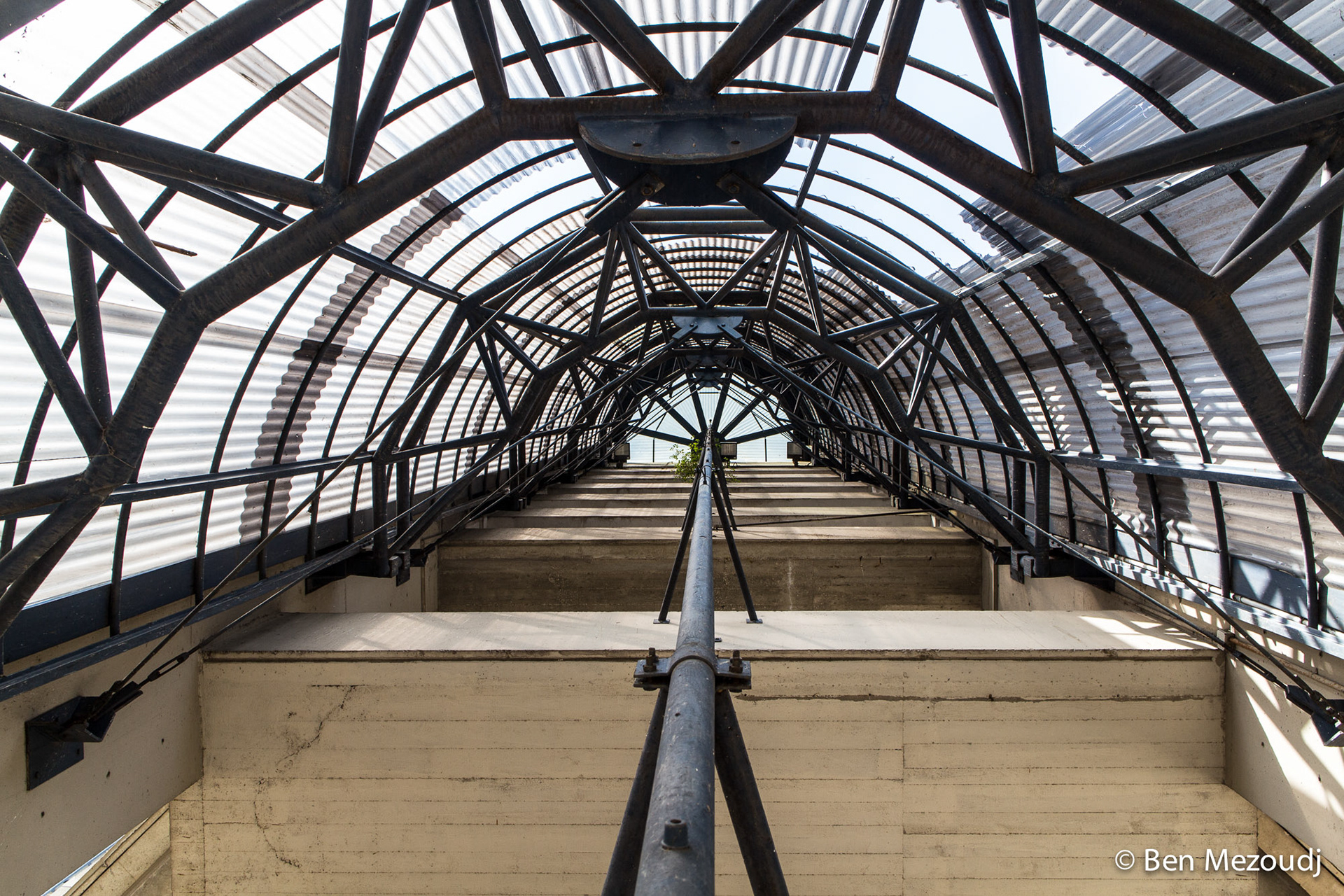
Die teils großformatigen Fotografien von Ben Mezoudj geben dem Betrachter einen unmittelbaren Eindruck davon, was es heißt, an so einem Ort zu leben und stellen Fragen zu sozialer Integration und gesellschaftlicher Verantwortung.
Text: Ellen Ross, Galerie Sehr, Koblenz-Ehrenbreitstein
The partly large-format photographs by Ben Mezoudj give the viewer an immediate impression of what it means to live in such a place, raising questions about social integration and societal responsibility.
Text: Ellen Ross, Galerie Sehr, Koblenz-Ehrenbreitstein
Veröffentlichungen
Urbanophil - Interview
Querfeldein - Artikel
Deutsches Architekturmuseum - Nennung